Commercial Mold Remediation in Coatesville, IN
After the leak is fixed, Coatesville Water Restoration deals with what it left behind in your Coatesville walls and ceiling cavities.
For Commercial Mold Remediation in Coatesville, IN, Coatesville Water Restoration starts with a scheduled certified assessment and a scope in writing, no work begins without your approval. Call (317) 653-6821.
- Service: Commercial Mold Remediation for Coatesville homeowners
- Service area: Coatesville, IN and surrounding areas
- Response time: Inspection scheduled quickly, written scope follows the visit
- Licensed and insured (License #RC21100059)
- Serving Coatesville, IN since 2018
Commercial Mold Remediation for Coatesville Businesses
Midway through a tenant improvement, a general contractor opens a wall and finds the back of the drywall dark. Every trade on the schedule is now waiting on an answer. Coatesville Water Restoration handles these mid project finds in Coatesville by scoping the affected area and building containment around it, so work elsewhere in the suite can keep moving.
Cleaning inside the enclosure runs from the top down. Coatesville Water Restoration starts with the ceiling cavity and upper walls in your Coatesville building and finishes at the floor, so any dust that settles lands on surfaces that haven't been cleaned yet. HEPA vacuuming and the damp wipe that follows it use the same order.
Monitoring continues daily while equipment is running. A crew member checks containment integrity, verifies the negative air machines are still pulling and the HEPA filters aren't loaded, takes moisture readings at the same marked locations, and notes anything that changed. Coatesville Water Restoration logs each visit. On a property in Coatesville where the work spans a week or more, that log shows the drying progressed while the equipment sat in the room.
A long running leak and a pipe that failed last Tuesday get treated very differently by a commercial policy. Coatesville Water Restoration documents what the building shows, including the condition of the materials and the moisture pattern, without shaping the narrative to fit a coverage outcome. The adjuster gets photos, readings, a written scope and the removal records. You and your carrier decide what happens next.
If you're holding a hygienist's protocol and need somebody to execute it, call Coatesville Water Restoration. Crews schedule the work in your Coatesville building, build the containment the protocol specifies, run negative pressure with HEPA filtration, and hold the enclosure until your independent verification party signs off on the results.
Signs You Need Commercial Mold Remediation
If you notice any of these in your Coatesville building, schedule a free inspection before the issue worsens.
Lower level carpet or drywall that stayed wet for days after storm water came in at a door
Condensate dripping from an air handler or a chilled water line onto the mechanical closet floor
Staining that reappears in the same ceiling location after the roof was already repaired
Loading dock leveler pits that collect water beside an office or break room wall
Ceiling tiles bowing in the middle of the span after a week of heavy rain
Snowmelt that pools at an entry threshold and keeps the wall base damp every winter
Pipe insulation above the ceiling that's wet or hanging loose from a chilled water line
Musty air that greets staff on Monday mornings after the weekend HVAC setback
Tenant improvement work that stops because a contractor found dark staining inside a wall
Cove base pulling away from the wall with dark residue on the back of it
How Coatesville Water Restoration Handles Commercial Mold Remediation
We follow these steps in order on every Coatesville job.
Inspection and Moisture Survey
Crews walk the affected area with thermal imaging and penetrating moisture meters, lift ceiling tiles where readings justify it, and open small inspection ports in wall assemblies. The survey defines the real boundary of the growth and identifies where the water is arriving from.
Phasing for Occupied Floors
Where part of the floor has to stay open, the work area is divided into zones that move in sequence. Each zone gets its own containment and readings before the barrier shifts to the next section.
Containment Construction
Poly and framing seal the work area off from occupied space, with a decontamination entry built at the access point. Every supply and return register inside the zone gets sealed so the air handling system stops moving air through it. Barriers get inspected before work starts.
Affected Material Removal
Porous material with growth in it comes out: saturated batt insulation, affected gypsum board and ceiling tile. Crews mist material before cutting, bag it inside containment, wipe the bags down, and carry them out through the decontamination entry on an agreed route.
HEPA Cleaning and Detailing
Every surface inside the enclosure gets HEPA vacuumed and wiped, including framing cavities, structural steel, concrete and the floor. Nonporous materials that stayed in place get cleaned and kept. Air scrubbers keep running through this phase and after it.
Commercial Mold Remediation in Coatesville
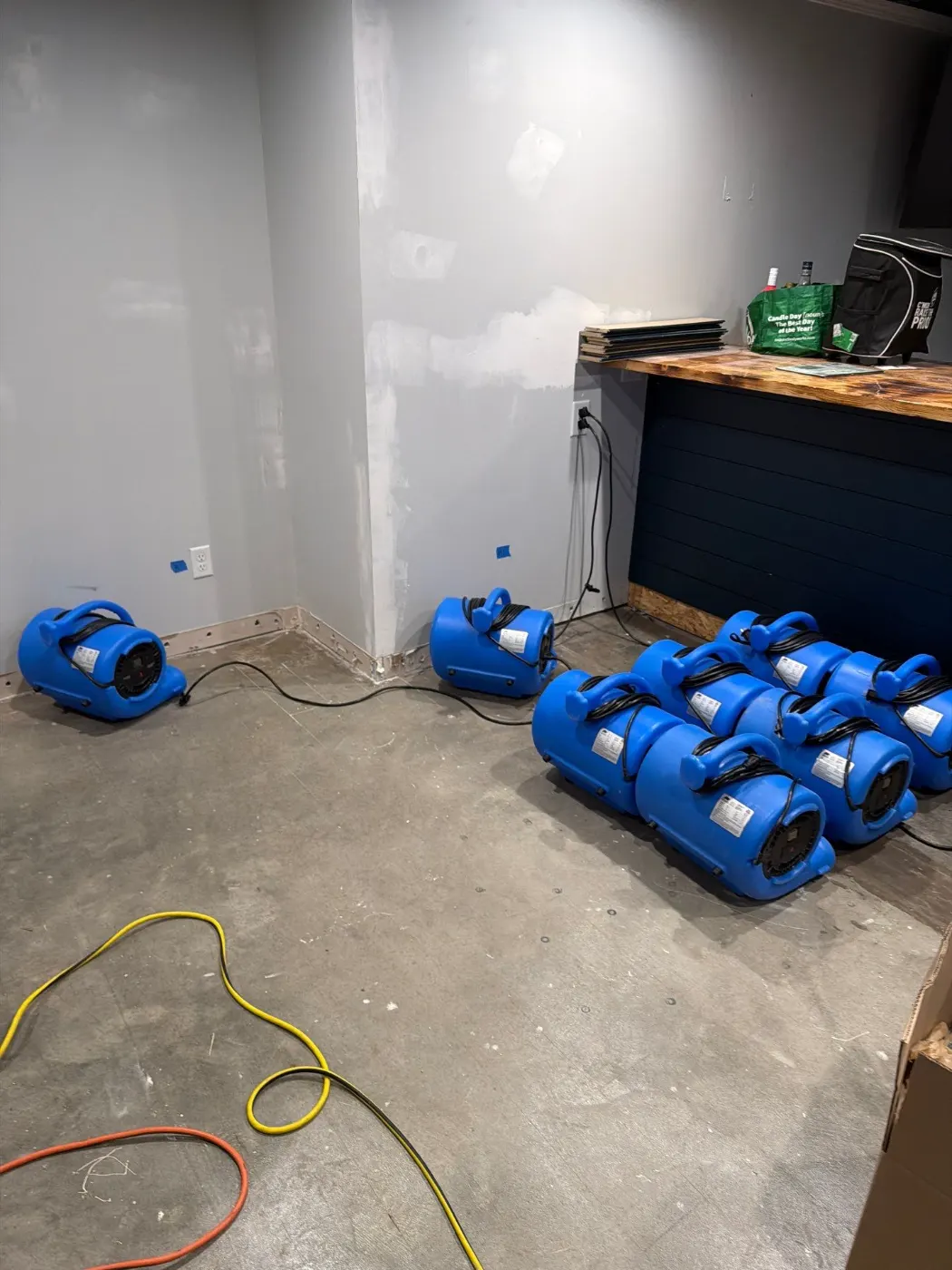
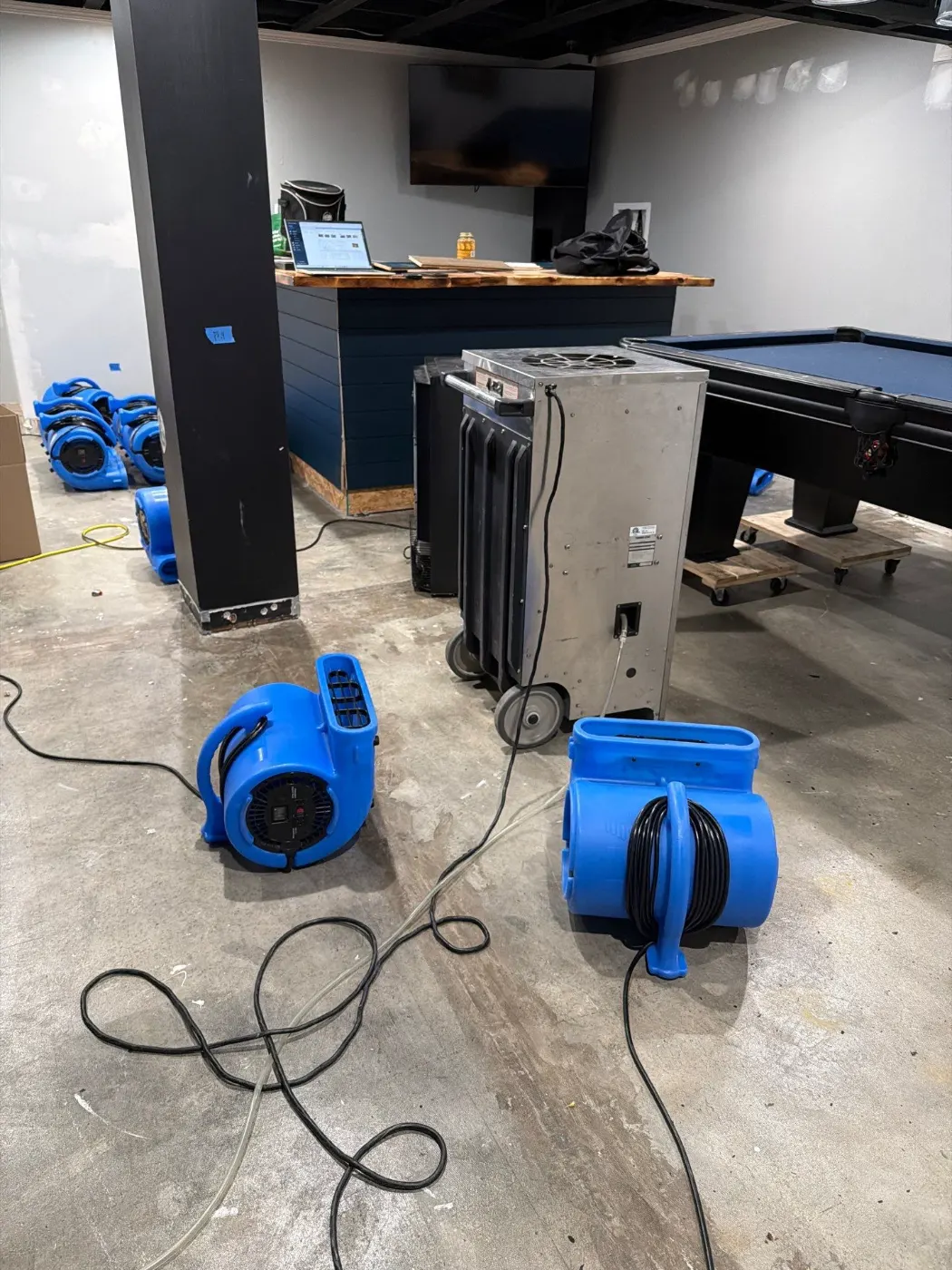
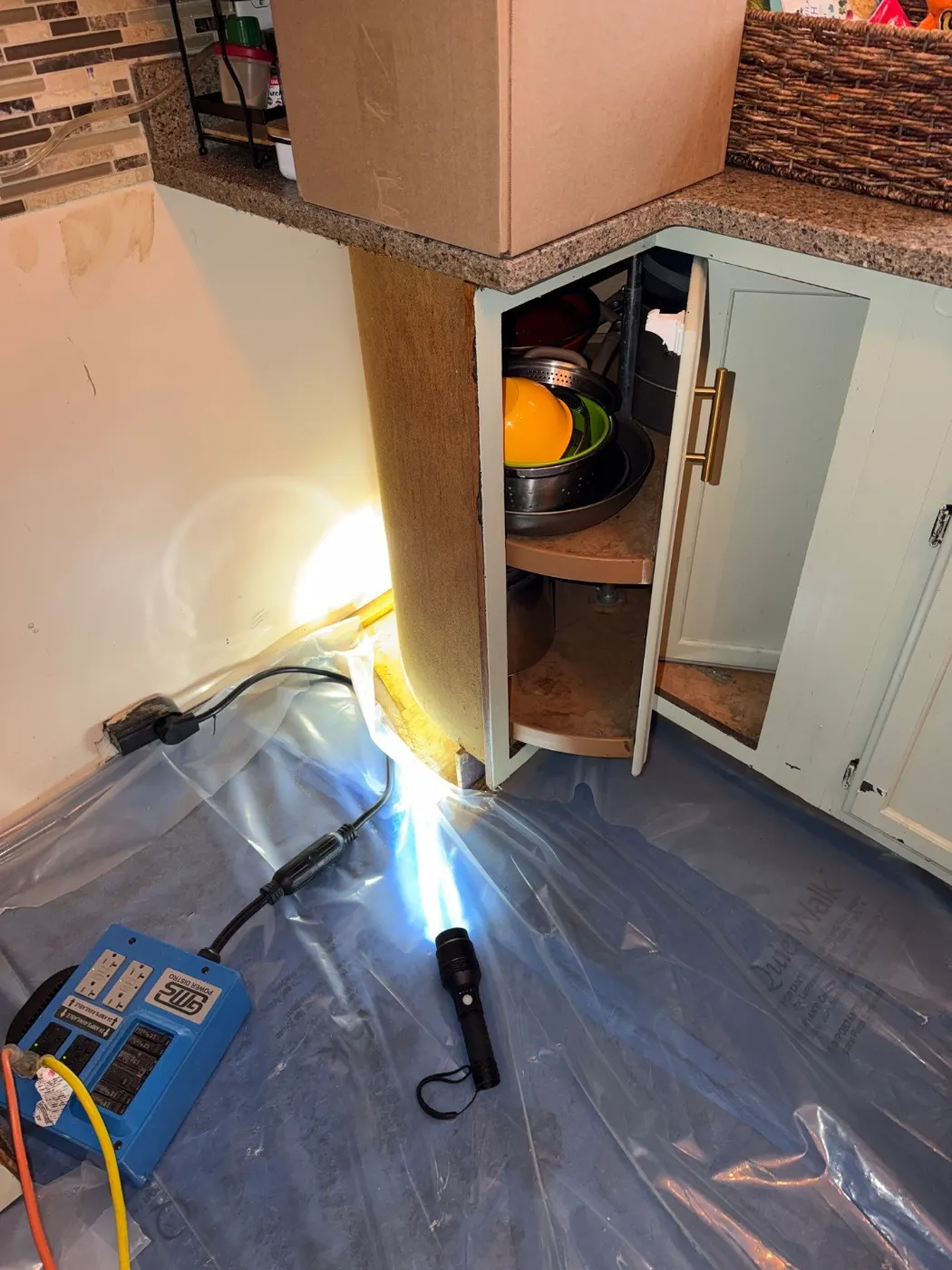
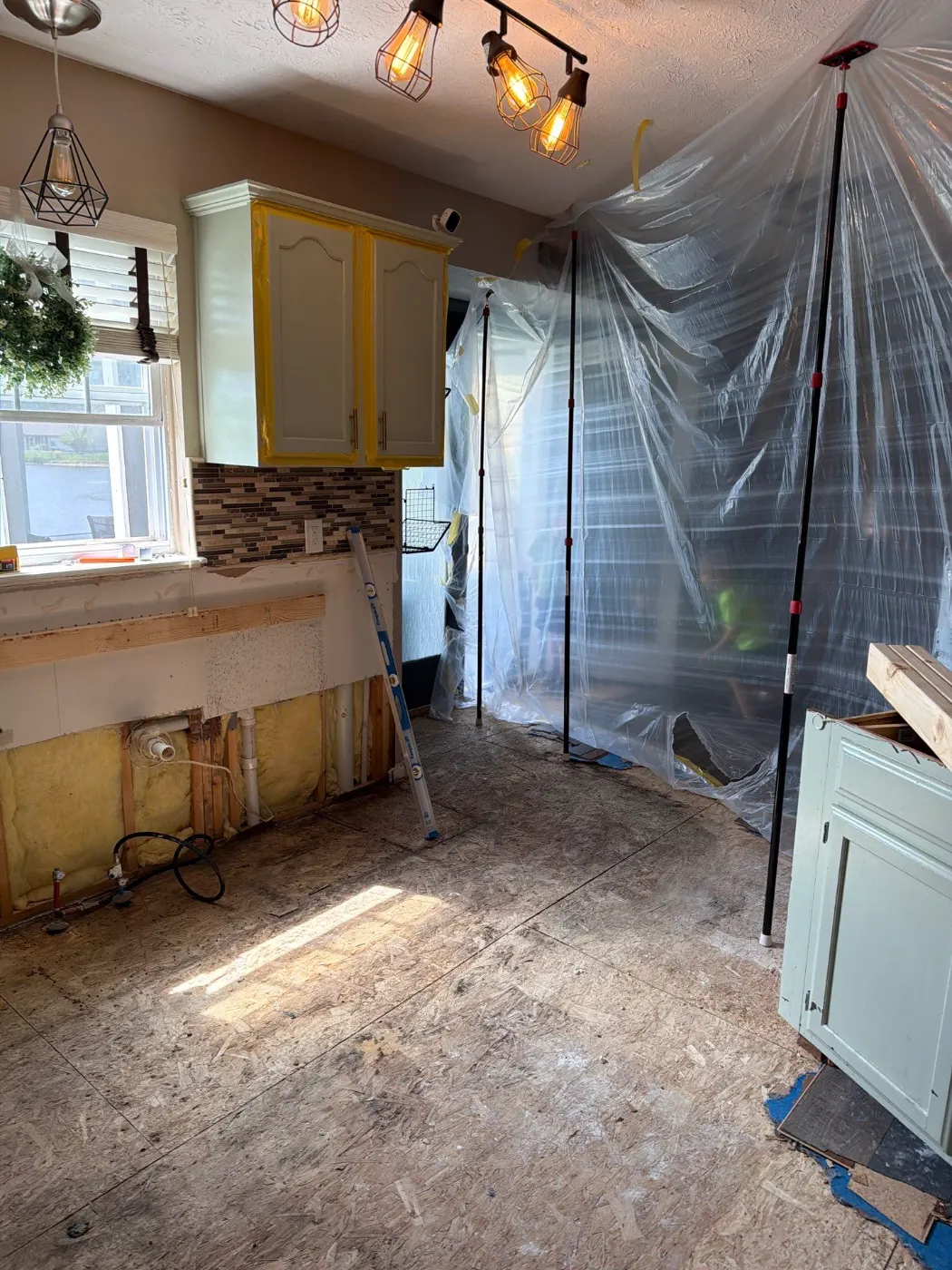
Photographs from real commercial mold remediation jobs completed by our crew in Coatesville and surrounding areas.
Commercial Mold Remediation FAQ
Questions Coatesville property managers ask us about commercial mold remediation.
Guidance and Standards for Commercial Mold Remediation
- The ANSI/IICRC S520 is the published standard for professional mold remediation. The current edition is the Fourth Edition, 2024. IICRC S520 Standard
- EPA’s mold guide says the key to mold control is moisture control. EPA: A Brief Guide to Mold, Moisture and Your Home
Coatesville Neighborhoods We Serve
We take commercial mold remediation calls in every part of Coatesville. Pick your neighborhood for local details.
Other Restoration Services in Coatesville
Coatesville Water Restoration handles the full scope of restoration work. Explore our other services below.
Water Damage Restoration in Coatesville
24/7 emergency response. IICRC certified water restoration from extraction to full dry out.
Learn more →Basement Flooding in Coatesville
Basement water emergencies handled fast. Extraction, drying, mold prevention.
Learn more →Sewage Cleanup in Coatesville
Category 3 biohazard cleanup. Full containment, decontamination, structural restoration.
Learn more →Request Commercial Mold Remediation
Reach Us Directly
Our team is available 24/7 for emergencies and ready to schedule inspections during business hours.
Need Immediate Help?
For active water or mold emergencies, call us directly. We are available 24/7.